
by Marcus Boston | Oct 26, 2026 | Birth Injuries, Blog, Cerebral Palsy, HIE (Hypoxic Ischemic Encephalopathy)
Why Mom’s Age Does Not Automatically Explain Baby’s HIE Brain Injury When a baby is diagnosed with hypoxic-ischemic encephalopathy, many mothers hear the same explanation. Someone suggests her age played a role. That idea can sit heavily on a mother who...

by Marcus Boston | Oct 6, 2026 | Birth Injuries, Blog, Cerebral Palsy, HIE (Hypoxic Ischemic Encephalopathy)
What A Nuchal Cord Means A nuchal cord means the umbilical cord was wrapped around a baby’s neck at birth. Parents often hear this phrase in the delivery room. Nuchal cords are common, and many babies born with one are healthy. The presence of a nuchal...
by Marcus Boston | Sep 16, 2026 | Birth Injuries, Blog, Cerebral Palsy, HIE (Hypoxic Ischemic Encephalopathy)
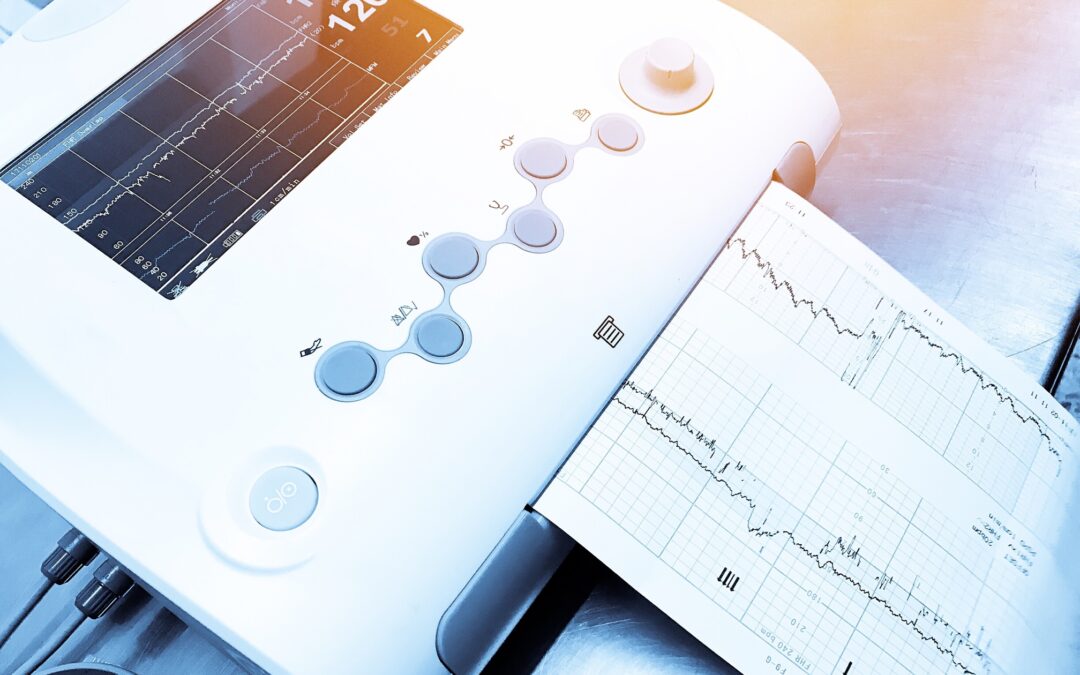
What Does Minimal Variability Mean in a Fetal Heart Rate Tracing? If you are going through your baby’s medical records after an HIE diagnosis, you may have come across the term minimal variability in the fetal heart rate tracing. It can be an unsettling phrase...

by Marcus Boston | Sep 1, 2026 | Birth Injuries, Blog, Cerebral Palsy, HIE (Hypoxic Ischemic Encephalopathy)
A diagnosis of hypoxic-ischemic encephalopathy, or HIE, can leave parents overwhelmed and searching for answers. If your baby has been diagnosed with HIE after a traumatic birth, it is natural to want to understand what happened and what your next steps...
by Marcus Boston | Aug 20, 2026 | Birth Injuries, Blog, Cerebral Palsy, HIE (Hypoxic Ischemic Encephalopathy)
Your Baby Has HIE But Does That Prove Medical Negligence? A hypoxic ischemic encephalopathy diagnosis turns a family’s world upside down overnight. Parents want answers immediately, and it feels natural to assume that proof of the injury is proof that...
