by Marcus Boston | Oct 13, 2025 | Birth Injuries, Blog, Cerebral Palsy, HIE (Hypoxic Ischemic Encephalopathy)
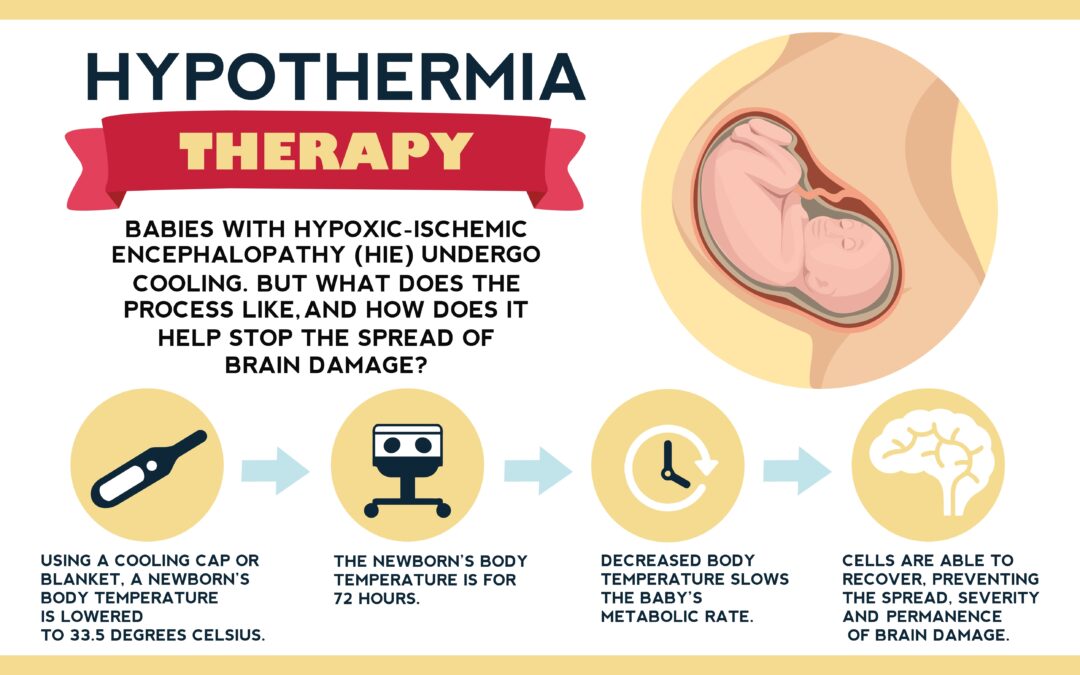
When a newborn experiences a lack of oxygen during birth, known as hypoxic-ischemic encephalopathy (HIE), doctors have a critical window to intervene. Therapeutic hypothermia, or cooling, is a powerful treatment designed to protect the baby’s brain from...
by Marcus Boston | Oct 9, 2025 | Birth Injuries, Blog, Cerebral Palsy, HIE (Hypoxic Ischemic Encephalopathy)
When parents learn their newborn has hypoxic-ischemic encephalopathy (HIE), one of the most pressing questions is when the brain injury happened. The answer often lies in the powerful combination of two key pieces of evidence: the fetal heart monitor...

by Marcus Boston | Oct 7, 2025 | Birth Injuries, Blog, Cerebral Palsy, HIE (Hypoxic Ischemic Encephalopathy)
In legal cases involving hypoxic-ischemic encephalopathy (HIE), a single question often becomes the central battleground: When did the baby’s brain injury happen? The answer to this question determines everything about responsibility and whether the...

by Marcus Boston | Sep 16, 2025 | Birth Injuries, Blog, Cerebral Palsy, HIE (Hypoxic Ischemic Encephalopathy)
During labor and delivery, a baby’s heart rate monitor is their primary voice, providing a real-time narrative of their well-being. When medical professionals heed its warnings, outcomes are typically positive. However, when its critical signs are overlooked,...

by Marcus Boston | Sep 11, 2025 | Birth Injuries, Blog, Cerebral Palsy, HIE (Hypoxic Ischemic Encephalopathy)
A baby’s heartbeat on a monitor is meant to be a sound of comfort. But sometimes, that steady rhythm shifts into a dangerous pattern, signaling that oxygen is being cut off. This is the reality of a Category 3 fetal heart strip, a clear warning sign that, when...
